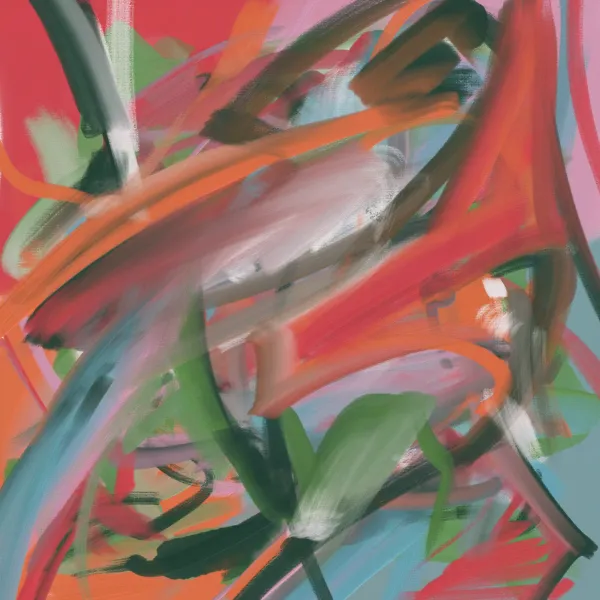
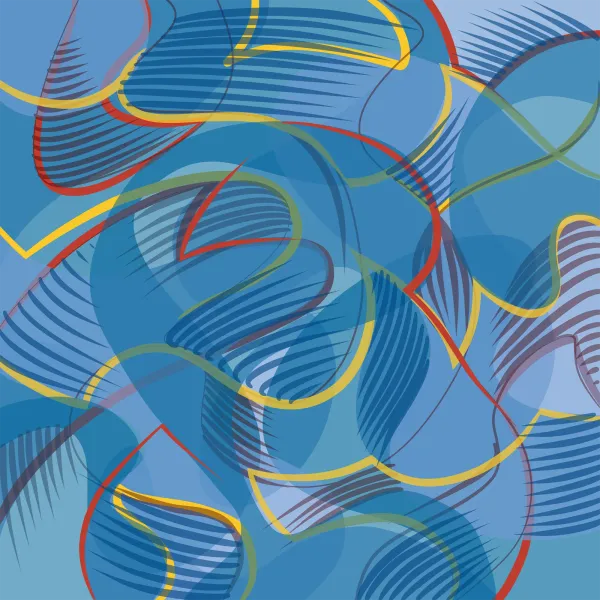
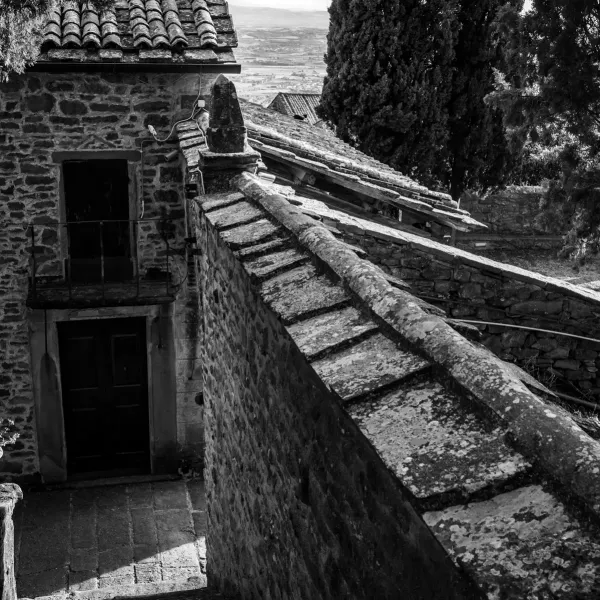
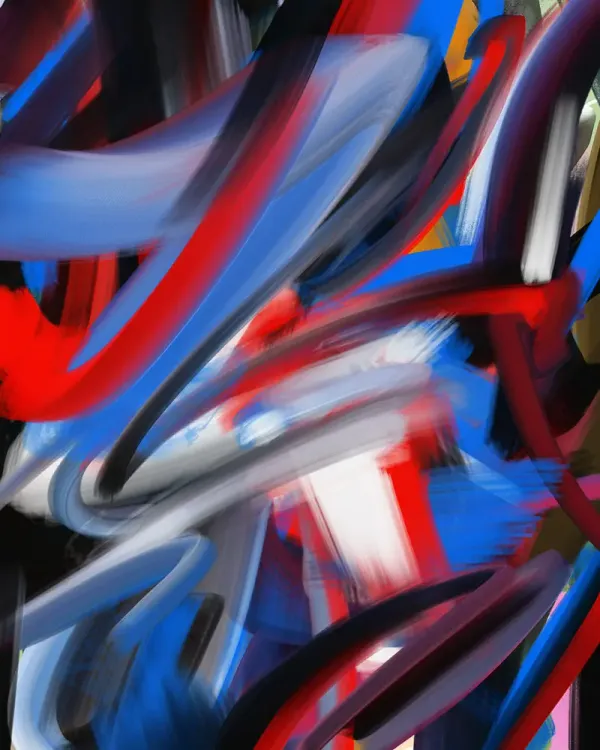
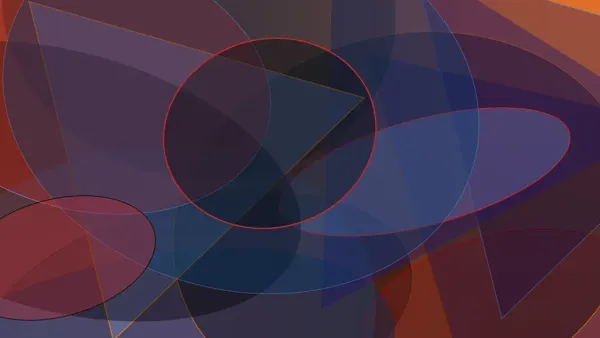
On sale today (12/3/11) at the Columbus College of Art & Design Art Sale …
… along with many other Small Machines. The sale opens to first-choice visitors at 9 AM, then to the general public at 10:30 AM; it runs until 2 PM.
On sale today (12/3/11) at the Columbus College of Art & Design Art Sale …
… along with many other Small Machines. The sale opens to first-choice visitors at 9 AM, then to the general public at 10:30 AM; it runs until 2 PM.
I’m very pleased to be selling new paintings at the Columbus College of Art & Design Art Sale on Saturday, December 3. The sale opens to first-choice visitors at 9 AM, then to the general public at 10:30 AM; it runs until 2 PM.
These works are all Small Machines, a series of modestly-sized (and modestly-priced) oil paintings inspired by Modernist painters. Small Machines available at the Sale are each oil on linen on hardwood panel, ready-to-hang, and priced under $100.
If you’re not familiar with the CCAD Art Sale, it’s a truly wonderful seasonal event, and an excellent alternative for those who prefer to give quality for the Holidays. All work is made by CCAD students, alumni, and staff, and you buy directly from those artists– they receive 100% of the sale. CCAD charges an admission fee, and all proceeds from that fee contribute to student scholarships. It’s one of those rare, completely win-win events for artists, patrons, and collectors.
Additionally, 100% of profits from sales of my work will go towards feeding this puppy:
(Instead of the hard sell or the soft sell, that’s the fuzzy sell. Unfortunately, D. won’t actually be at the Sale– puppies and displays of fine, handcrafted ceramics don’t mix well.)
I’ll be teaching a Community Class at CCAD during Spring Semester 2012. It’s a Figure Drawing class, and meets Thursday nights from 6:45 PM to 9:30 PM; the semester runs from February 2 until April 26. We’ll draw directly from nude models during every class.
I earned my MFA at the New York Academy of Art Graduate School for Figurative Art, so I know a thing or three about drawing people. Artists of all (and I do mean all) skill levels are welcome– I advise students individually, so you’ll start from wherever you are. Models and supplies are included in the cost of the class, so it’s a solid deal.
For more information, and to register online, follow this link to CCAD’s web site. You can also get answers to your questions by contacting me directly.
Here’s an oldie but goodie:
from “Baseball: The First Inning” by Donald Hall,
in which the speaker explains the sport to Kurt Schwitters.
. . .
6. From home plate to the pitcher’s rubber,
as the actress said to the bishop,
takes sixty feet and six inches. Of
course you will recognize Being: It
looks just like Nothingness except that
it wears a striped Thai-silk four-in-hand.
As the poet says, “Words cannot tell,
cannot express . . . Words falter . . . Words are
inadequate to describe . . .” Poets
7. woo the unspeakable to their desks,
listening to radio baseball.
Meantime the cells or constituent
molecules go on sunning themselves
in the pure daylight of unconscious
punning and dancing, now slowing down,
now jetting Cambridge blue electrons–
the enterprise of ongoingness.
This condition resembles baseball
8. in its laboratory method
or purity, physics of nine times
nine times nine times nine. We hanged three deer
behind the new 7-Eleven
beside lions Flaubert crucified.
I am not interested in words
without sentences, or sentences
without meaning. Every meaningless
sentence says the same thing. Igitur,
9. they pave the green mountains for progress
while they grow hairy vert chemicals
into grass cement for the diamond
and Newfound Lake newly obscured by
sawtooth-shingled condominia
at x thousand thousand dollars each
to prohibit view of the wind’s lake.
Kurt, when the pitcher makes a false start,
the runners move up: It is a balk.
It strikes me that it’s a small distance from this way of building-making to a similar approach to painting:
Postmodern life could be described as a state in which everything beyond our own personal biography seems vague, blurred, and somehow unreal. The world is full of signs and information, which stand for things that no one fully understands because they, too, turn out to be mere signs for other things. Yet the real thing remains hidden. No one ever gets to see it. Nevertheless, I am convinced that real things do exist, however endangered they may be. There are earth and water, the light of the sun, landscapes and vegetation; and there are objects, made by man, such as machines, tools, or musical instruments, which are what they are, which are not mere vehicles for an artistic message, and whose presence is self-evident.
When we look at objects or buildings that seem to be at peace within themselves, our perception becomes calm and dulled. The objects we perceive have no message for us; they are simply there. Our perceptive faculties grow quiet, unprejudiced, and unacquisitive. They reach beyond signs and symbols; they are open, empty. It is as if we could see something on which we cannot focus our consciousness. Here, in this conceptual vacuum, a memory may surface, a memory that seems to issue from the depths of time. Now, our observation of the object embraces a presentiment of the world in all its wholeness because there is nothing that cannot be understood.
– Peter Zumthor, Thinking Architecture